Dr. Gleb Tsipursky – The Office Whisperer
 Cat Johnson – Coworking Marketing Maven
 Angela Howard – Culture Expert
 Drew Jones – Design & Innovation
 Andrea Pirrotti-Dranchak – Competitive Advantage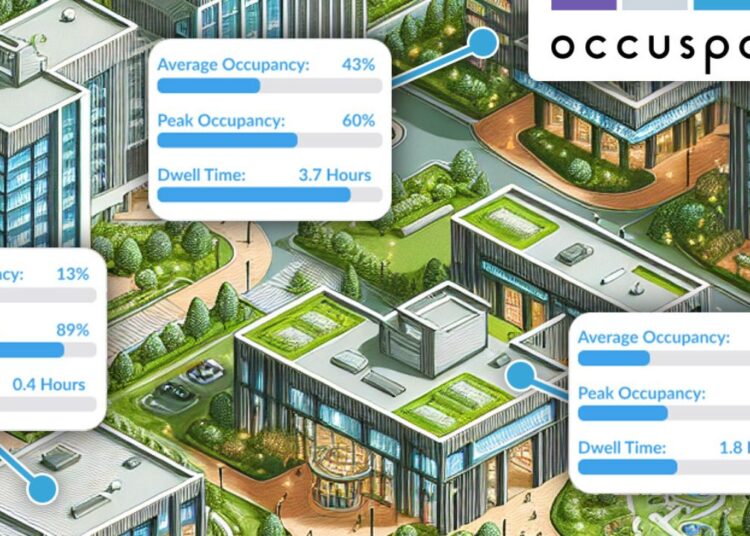
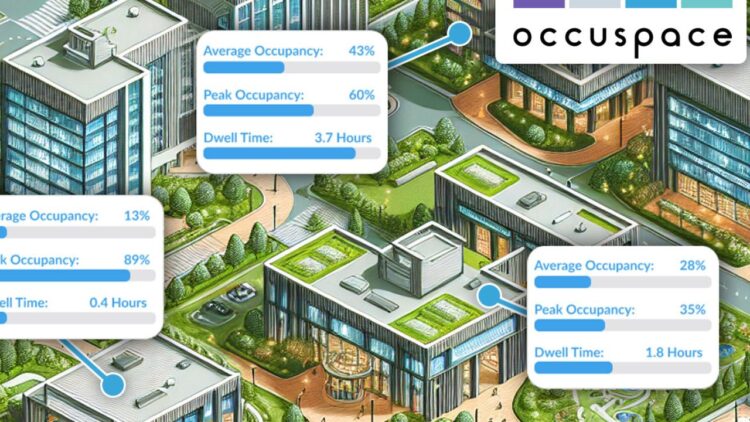
Occuspace Announces Strategic Expansion into Corporate Real Estate Sector
Occuspace, a leading provider of innovative occupancy data technology, announces its strategic expansion into the Corporate Real Estate (CRE) sector.
Read more
Occuspace, a leading provider of innovative occupancy data technology, announces its strategic expansion into the Corporate Real Estate (CRE) sector.
Read more












Coworking community burnout is real; focusing long-term and empowering community managers with autonomy can help.

Workplace change programs need to account for attachments to work rituals and deep feelings of loss.

If aggregators sell your space at different prices, it can trigger cross-channel shopping. A MAP policy can solve the problem.

AI, IoT, and AR are driving business change, boosting efficiency, agility, and innovation in the workplace.

Emerging fashion trends in the future of work will feature innovative, tech-forward design.

Psychedelic microdosing at work may boost creativity and provide wellness benefits.

How and why employers should enable and encourage their workforce to work near, instead of from, home.

Flexible workspaces are efficient, high-value long-term options for businesses of all sizes — learn why.

Live better by nurturing these eight areas that most impact wellness.

10 reasons so many are entering the flexspace industry, including the surprising rental profit potential.

A recent GCUC panel discussed how workspace is a perishable product. Good news is, coworking spaces can diversify revenue and...

Coworking expert Karen Condi busts the top 3 myths about property owners entering the coworking industry.

Coworking trends in 2024 are attracting firms with perks and eco-focused features.

Make your return to office in a human-centered way with purposeful gatherings to boost performance.






Job openings drop, but 4 countries urgently need healthcare, sales, and trade talent.
Google’s recent layoffs raise concerns for job security of once in-demand positions.
Economic Confidence plummeted to -29 in April, reflecting concerns about inflation, rates and jobs.
Amazon Q Business AI tool debuts, enabling businesses to build custom apps using in-house data.
Occuspace, a leading provider of innovative occupancy data technology, announces its strategic expansion into the Corporate Real Estate (CRE) sector.
AI-powered tools are transforming app and new product development, forcing developers to upskill quickly.
Yardi Systems, a leading tech provider to the real estate industry, to take control of WeWork in bankruptcy exit plan.
Yardi Systems to acquire 60% stake in WeWork for $337M, enabling coworking giant's bankruptcy exit.
The White House is looking to increase the cyber workforce through skill-based hiring and apprenticeships.